
For anyone working in SEO, the term "Guest Post" is likely familiar. Many consider it a high-quality link-building strategy, yet not everyone fully understands what is guest post and how it functions in SEO. This article will provide a systematic introduction to Guest Posts, explain their advantages, and outline step-by-step implementation, helping you achieve better results in both content marketing and link building.

What Is a Guest Post?
The Basic Definition of Guest Post
A Guest Post is an original article published on another website, with the content provided by the contributor. This approach represents a form of content collaboration and typically includes links within the host site’s content that point to the contributor’s own website or brand pages.
Unlike regular backlinks, a Guest Post focuses on delivering valuable content and building partnerships. Its purpose goes beyond simply acquiring a link—it allows your brand to reach a broader and more relevant audience.
For instance, an SEO tool company might contribute an article such as "How to Quickly Increase Website Traffic" to a digital marketing or entrepreneurship website. By naturally incorporating links to the company’s website within the article, the contributor completes a standard Guest Post link-building process.
The Relationship Between Guest Posts and Backlinks
A Guest Post is actually one form of backlink. Backlinks can come from various sources, such as directory submissions, media coverage, forum posts, or resource mentions, and Guest Posts belong to the category of high-quality, content-based backlinks.
Because the content is highly original and relevant, Guest Posts usually provide more sustainable and safer SEO benefits than mass-purchased links or spammy comment links.
The Main Benefits of Guest Posts
Increasing Website and Brand Exposure
Publishing a Guest Post on a high-authority website is like putting your brand on a bigger stage. Especially when your content is high-quality and offers unique insights, it’s easy to attract the host site’s audience to click through to your homepage, thereby expanding your brand visibility.
Driving More Website Traffic
A high-quality Guest Post can continuously bring referral traffic. If the article ranks well for a long time, it can even keep generating organic traffic.
For example, a tutorial article published on a well-known tech media site can usually bring hundreds or even thousands of targeted visits.
Improving SEO Rankings
Search engines place great importance on the "quality of backlinks." When your site receives links from high-authority websites in your industry, Google treats this as a signal of trust and is more likely to rank your site higher for relevant keywords.
The key is that the links must be natural, contextually relevant, and use appropriate anchor text.
Building Industry Authority
Being cited or featured by an authoritative website means your content is recognized. This not only boosts search engine trust but also strengthens potential customers’ confidence in your brand. If you execute a Guest Post strategy consistently, your site will gradually be seen as an industry expert or thought leader.
How to Publish Guest Posts: A Step-by-Step Guide
Choosing the Right Platforms
The right platform determines the quality and value of your Guest Post. When choosing where to post, follow these three criteria:
Audience match: The site’s visitors overlap with your target customer group.
Industry relevance: The platform belongs to your industry or a closely related niche.
Authority and traffic: The platform has strong domain authority and active traffic.
Common ways to find platforms:
Google search operators:
"Your Keyword" + "guest post"
"Your Keyword" + "write for us"
"Your Keyword" + "contribute to our site"
For example, search: "SEO" + "guest post opportunities" to find relevant websites.
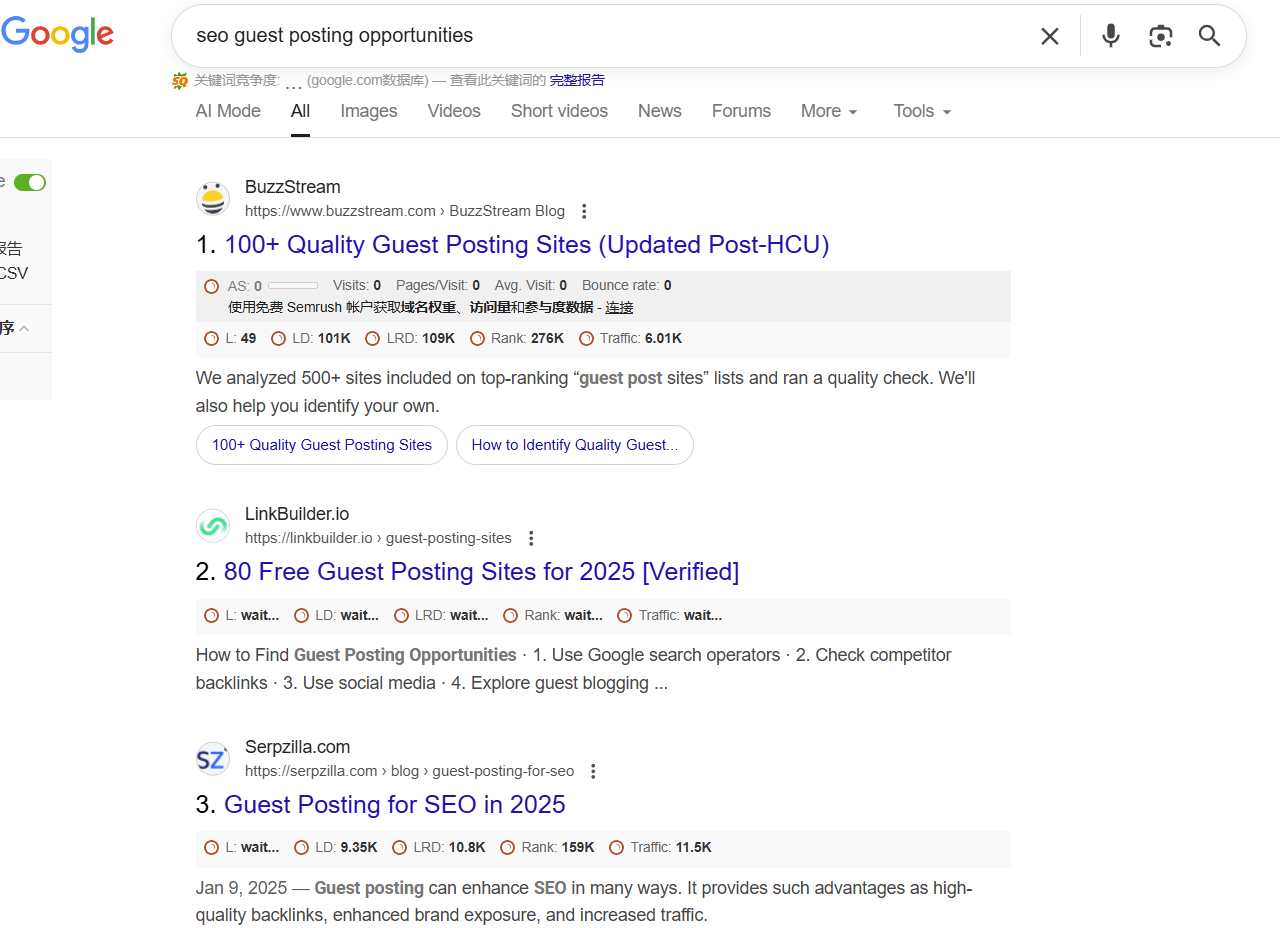
Competitor backlink analysis:
Use tools like Ahrefs or Semrush to analyze your competitors’ backlinks and filter out sites that accept Guest Posts.Social media discovery:
On X (formerly Twitter), LinkedIn, or YouTube, search for influencers and creators in your niche—many of them are open to content collaborations.
Reaching Out to Site Owners
Once you’ve identified target platforms, you need to send a collaboration request to the site owner or editor. Your email should be concise, polite, and persuasive.
A high-converting outreach email should include:
A clear, powerful subject line (for example: "Request to Contribute a Guest Post")
A brief explanation of why you chose their site (showing that you understand their content and audience)
Proposed topics (list 2–3 potential article ideas)
Links to previous writing samples
Contact details and company information in the closing
A professional outreach email often determines whether you can secure a Guest Post opportunity.
Writing a High-Quality Guest Post
After you get approval to publish, you enter the most critical stage—content creation.
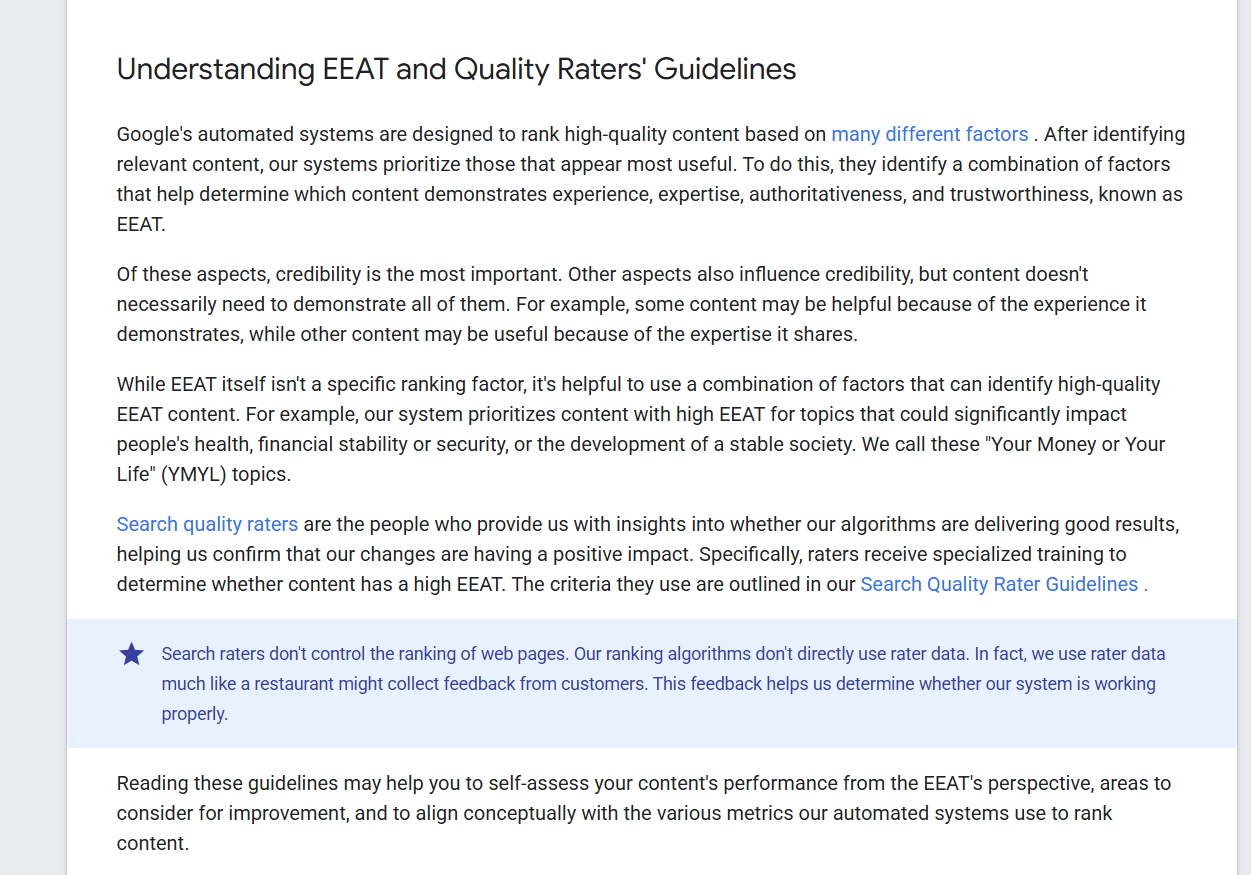
To maximize acceptance rates and SEO impact, your content should strictly follow Google’s E-E-A-T principles:
E (Experience): Show real-world experience, such as case studies or test results.
E (Expertise): Demonstrate professional knowledge and cite authoritative data.
A (Authoritativeness): Highlight the author’s and brand’s background in the industry.
T (Trustworthiness): Ensure information is accurate and references are reliable.
Writing tips:
Study the target site’s content style and tone.
Naturally include keywords in the title to improve click-through rate.
Focus on solving readers’ problems and avoid overly promotional language.
Use visuals, case studies, or data to support your arguments.
Strictly follow the site’s submission guidelines (such as word count, number of outbound links, etc.).
Tracking and Optimizing Performance After Publication
Your work doesn’t end once the Guest Post goes live. You still need to track performance continuously and evaluate ROI.
Key metrics to track:
Indexing status: Use the operator site:target-URL to check whether the article is indexed by Google.
(Or use tools like Duplichecker Google Index Checker.)Backlink detection: Use Ahrefs or Semrush to see if the backlink has been recognized.
Traffic and keyword changes: Monitor the referral traffic driven by the Guest Post.
Conversion analysis: In GA4, track visitor sources and conversions to identify which partner sites keep bringing high-quality traffic.
Ongoing optimization helps you determine which platforms are worth long-term investment.
Conclusion
Guest Post link building is not only a core part of an SEO strategy but also a long-term approach to brand growth, which helps explain what is guest post and why it remains so effective. Through Guest Posts, websites can gain high-quality backlinks that improve search rankings, expand brand exposure and industry influence, and strengthen trust and authority in Google’s eyes. When a brand consistently delivers high-quality content and builds long-term relationships with reputable websites in its niche, Guest Posts become one of the most reliable and sustainable sources of traffic and authority for ongoing SEO growth.
FAQS
What is the difference between Guest Posts and regular backlinks?
A Guest Post is a backlink gained through original content collaboration, which is more natural and safer, while regular backlinks may come from directory submissions or bulk purchases and generally carry higher risk.
How many links can I include in a Guest Post?
It's usually recommended to include 1–2 links: one to your homepage and another to a relevant content page. Avoid stuffing too many links, or your article may be rejected by the editor.
How long does it take for Guest Posts to show SEO results?
It generally takes 2–3 months to see improvements in rankings and traffic, depending on the site’s authority, article quality, and the number of backlinks.