
Accurately tracking where your content appears in search results is essential for effective SEO. You can check rankings manually, through Google Search Console (GSC), or using free and paid rank tracking tools. Factors such as location, device, and SERP features all influence rankings, so understanding the context behind the numbers is crucial. By interpreting ranks beyond raw data, building scalable workflows, and analyzing visibility trends, you can turn SEO insights into actionable strategies that drive traffic, improve conversions, and strengthen your online presence. Proper tracking helps uncover growth opportunities and prevents misallocation of SEO resources.
What Is Keyword Ranking and Why It Matters
Keyword ranking shows where your page appears in search engine results pages (SERPs) for a specific query. High rankings generally lead to increased visibility, higher organic traffic, and greater potential for conversions. However, ranking alone doesn’t give the full picture. Metrics such as search volume, user behavior, SERP features, and competitor performance significantly influence a keyword's value. Additionally, changes in Google’s algorithms or shifts in search intent can affect rankings over time. Continuous monitoring helps you understand trends rather than relying on isolated data points. Recognizing these factors allows marketers to focus SEO efforts strategically and maximize ROI.
Definition and Limits of Point‑in‑Time Checks
A keyword rank represents a snapshot at a single point in time. Manual searches, even in incognito mode, show immediate results but lack historical context. Factors like device type, location, and personalization can skew these results, making isolated checks unreliable for long-term SEO planning. Tools such as Google Search Console and paid rank trackers provide continuous monitoring, revealing trends and patterns over days, weeks, or months. While point-in-time checks are useful for quick audits or troubleshooting, they should always be complemented with tools that provide historical data and broader context.Rank vs Visibility: Why Position Isn’t the Whole Picture
Before evaluating raw rank numbers, it’s crucial to consider overall visibility, which often gives a more accurate picture of performance. Rank numbers alone do not fully capture a page’s performance in search. Visibility depends on impressions, share of voice, and the presence of SERP features such as featured snippets, People Also Ask boxes, or video carousels. A page ranking slightly lower may appear in multiple SERP features, resulting in more clicks than a page with a higher numerical position. By evaluating visibility alongside rank, you can prioritize optimizations where they matter most. Combining rank with visibility metrics ensures that content improvements target pages that truly influence traffic, rather than focusing solely on moving up one or two positions.How Location, Device, and SERP Features Affect Rankings
Search rankings can vary significantly by geographic location, device type, and SERP layout. A keyword might appear on page one in one city but page two elsewhere, especially for locally-targeted searches. Mobile-first indexing introduces additional variability, as Google considers mobile performance when determining rankings. SERP features, including Local Packs, knowledge panels, and image/video carousels, can push traditional organic results down. Manual checks rarely capture these variations accurately, whereas dedicated rank tracking tools provide precise, localized insights. Understanding these differences is critical for businesses that operate in multiple regions or target local markets effectively.
How to Check Rankings: Manual, GSC, and Paid Tools
Different ranking methods serve distinct purposes. Manual checks are free and quick but impractical for monitoring many keywords or locations. Google Search Console aggregates keyword performance, showing impressions, clicks, and average position over time. Paid tools, on the other hand, offer advanced features such as city-level targeting, alerts, historical trends, and SERP feature tracking. Choosing the right method depends on campaign size, budget, and desired accuracy. Many SEO teams combine methods to cross-validate data and gain the most comprehensive understanding of keyword performance across regions and devices.
Manual Checks (Desktop & Mobile) Step‑by‑Step
Manual checks involve entering a keyword in a browser using incognito mode to minimize personalization effects. Performing searches from multiple devices or using a VPN for different locations provides a broader view of how rankings appear to users. While this method works well for a limited number of keywords, it quickly becomes time-consuming for large campaigns. Manual checks are best used for audits, troubleshooting, or verifying anomalies reported by automated tools. They also provide qualitative insights, such as how snippets or rich results affect visibility in real-world search scenarios. Combining manual checks with other methods ensures a more complete picture of performance and aids in validating automated tracking data.
Google Search Console Walkthrough
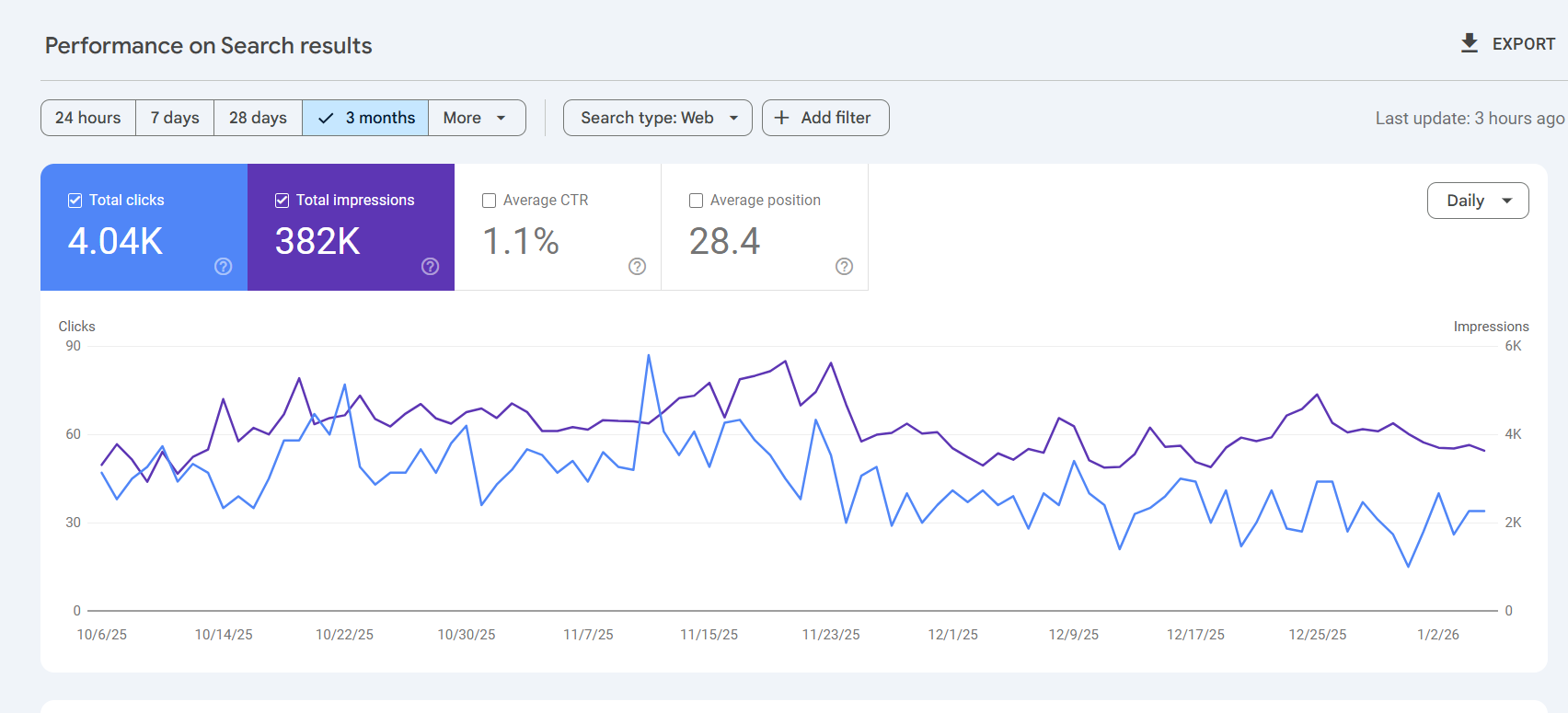
GSC provides impressions, clicks, and average position metrics for all tracked queries. Filters allow you to segment by query, device, or location, enabling detailed trend analysis over time. Unlike manual checks, GSC aggregates multiple data points, giving a more reliable long-term view of keyword performance. SEO professionals can identify underperforming pages, uncover new keyword opportunities, and track CTR trends. For small to medium websites, GSC is a robust free solution that provides actionable intelligence without requiring additional paid tools. Using GSC in combination with other trackers ensures both accuracy and granularity in performance monitoring.
Free Tools vs Paid Trackers: Features & Accuracy
Free rank tracking tools provide approximate rankings with limited functionality for device, location, or historical tracking. Paid trackers, such as Semrush, Ahrefs, or Rank Ranger, offer continuous updates, city-level targeting, automated alerts, historical trends, and detailed SERP feature monitoring. Paid tools are particularly valuable for large campaigns where accuracy, scalability, and automation are critical. Free tools may suffice for smaller sites or quick checks, but larger or competitive campaigns benefit from the deeper insights provided by paid solutions. Choosing the right tool depends on your campaign’s scale, geographic reach, and required reporting depth.

The following table summarizes the differences:
| Tool Type | Accuracy | Features | Update Frequency | Best For |
|---|---|---|---|---|
| Manual | Medium | None | On-demand | Small sites / Few keywords |
| Free Tools | Low-Med | Basic location | Daily/On-demand | Regional/local tracking |
| Paid Tracker | High | Full SERP, mobile, city-level, alerts | Daily | Multi-location / High-volume campaigns |
Choosing the Right Method by Scale, Budget, and Goals
Small websites with only a few keywords may rely on manual checks, GSC, or free tools, which provide sufficient insights without significant cost. Larger campaigns, competitive niches, or multi-region strategies typically require paid trackers to ensure consistent, automated, and geographically accurate monitoring. Selecting the appropriate method involves evaluating keyword count, desired reporting frequency, and the granularity of insights needed. Often, combining multiple methods—such as using GSC for baseline monitoring and a paid tracker for detailed analysis—yields the most reliable results and actionable insights, enabling SEO teams to make strategic, data-driven decisions.
Reducing Bias & Getting Location‑Specific Results
Accurate rank tracking requires reducing personalization effects and incorporating geographic context. Without depersonalization and localization, rankings may not reflect real user experiences, leading to misinformed SEO decisions.
Depersonalization Best Practices
To minimize personalization bias, use incognito mode, clear cookies, and apply parameters such as pws=0 when checking rankings. Some variability is inevitable due to dynamic search behavior and algorithmic testing. Averaging results over time reduces anomalies, providing a clearer view of performance trends. These steps are essential for obtaining reliable baseline data, particularly when evaluating competitive keywords or planning strategic optimizations.
City-Level & GPS-Based Methods
Paid rank trackers allow precise geographic targeting, essential for local businesses measuring performance at city or neighborhood levels. Manual searches are inadequate for capturing these nuances. Tracking rankings at a granular location level ensures that local SEO campaigns are accurately assessed, and opportunities for underserved regions are identified, supporting data-driven expansion and optimization strategies.
Language & Interface Settings
Setting the correct language and interface region is crucial when tracking rankings for international or multilingual audiences. Combined with localized tracking tools, this ensures ranking checks align with user expectations and market conditions. Ignoring language or regional settings can result in misleading insights, particularly for global campaigns or regions with multiple official languages.
Interpreting Rankings: SERP Features & Visibility
Position #1 does not always guarantee maximum visibility. SERP features such as featured snippets, People Also Ask (PAA) boxes, video/image carousels, and Local Packs significantly influence click-through rates and impressions. Evaluating keyword performance by combining rank with visibility metrics provides a more accurate understanding of actual audience engagement. Visibility metrics help prioritize optimization efforts for pages that truly generate traffic, rather than focusing solely on numerical position. Integrating these insights into reporting allows marketers to make more informed decisions, identify growth opportunities, and measure the impact of changes over time.
Which SERP Features Matter and How to Measure
Featured snippets, Local Packs, video/image carousels, and PAA boxes directly impact user interaction. For instance, a featured snippet can capture clicks even when a page is not ranked #1, while Local Packs dominate mobile results for local searches. Tracking which SERP features your content appears in provides insights into visibility and click potential beyond traditional rank. By measuring impressions and clicks associated with these features, SEO teams can refine content strategy, prioritize updates, and identify which pages have the most opportunity to capture additional traffic in SERPs.
Beyond Position: Visibility, Share of Voice, Rank Distribution
Share of voice measures your brand’s dominance across target keywords, while rank distribution charts show how many keywords appear in top positions versus lower pages. These metrics provide a holistic view of SEO performance, highlighting areas of strength and identifying gaps in keyword coverage. Monitoring visibility alongside position helps teams prioritize pages that drive the most impressions and clicks. Using rank distribution analysis, marketers can focus on optimizing mid-ranked keywords for maximum uplift and create strategies to convert lower-ranked content into more prominent positions in search results.
CTR Modeling and Pixel Depth
CTR modeling estimates clicks based on rank, SERP features, and typical user behavior. Pixel depth measures how far users scroll before reaching organic results, revealing the limited impact of lower-ranked content. Pages ranked below the fold may have high numerical positions but low actual clicks. Combining CTR models with pixel depth analysis provides a realistic view of traffic potential. This data helps SEO teams allocate resources effectively, ensuring optimization efforts target pages that maximize visibility and engagement, rather than solely chasing rank improvements.
| Feature | CTR Impact | Notes |
|---|---|---|
| Featured snippet | High | Can outrank #1 in clicks |
| PAA | Medium | Adds additional click opportunity |
| Local pack | High (local) | Especially prominent on mobile devices |
Competitor Tracking & Gap Analysis
Competitor tracking identifies which sites are performing well for shared high-value keywords. Not all sites ranking for a keyword are true competitors; focus on those consistently competing in your niche. Using rank trackers, marketers can map which keywords are shared and which are unique, informing strategy for content expansion. Gap analysis highlights keyword opportunities your competitors rank for, but you do not. Coupled with intent mapping—categorizing keywords as informational, transactional, or commercial—this approach guides content creation and optimization priorities. Tracking competitor SERP feature occupation also informs strategies to capture rich snippets, Local Packs, or other features your brand currently misses.
Content & SERP Feature Playbooks
A content and SERP feature playbook documents which competitors occupy key SERP features for your target keywords. By analyzing this data, teams can develop new content, optimize existing assets, and create strategies to capture similar visibility. Tracking the performance of these efforts over time ensures resources are allocated efficiently. This playbook approach also helps identify which types of content formats (video, FAQs, infographics) are most effective for dominating specific SERP features in your niche.
Automating Tracking: Templates, Dashboards & Alerts
Automation reduces manual effort and ensures timely insights. Using structured templates in Google Sheets, you can track keywords, ranking dates, devices, locations, and SERP markers. Scripts or CSV imports enable automated updates, while conditional formatting highlights trends. Looker Studio dashboards allow combining data from GSC and paid trackers, visualizing trends, device breakdowns, and geographic performance in one place. Setting regular update cadences, tagging keywords by priority, and enabling alerts for sudden drops ensures rapid response. Automation improves consistency, reduces human error, and allows SEO teams to focus on analysis and strategic actions rather than repetitive data collection.
Troubleshooting Rank Fluctuations
Ranking fluctuations can result from multiple factors. Algorithm updates may cause sudden shifts, while keyword cannibalization occurs when multiple pages compete for the same query, diluting rankings. Changes in user intent can reduce relevance, and technical issues such as crawl errors or indexation problems may suppress performance. Cross-referencing multiple tools and averaging rank over time helps validate anomalies. By understanding the underlying causes, SEO teams can implement corrective actions, consolidate content, or update assets to maintain or regain visibility, ensuring continuous performance optimization.
| Cause | Detection Method | Action |
|---|---|---|
| Algorithm update | SERP weather tools | Monitor trends, adjust strategy |
| Cannibalization | GSC queries | Consolidate competing URLs |
| Intent shifts | SERP feature analysis | Update content type |
Advanced Considerations: Device, UX, and Data Quality
Mobile vs Desktop Ranking Drivers
Mobile-first indexing prioritizes responsive design, page speed, and user experience on mobile devices. Rankings differ between desktop and mobile due to variations in SERP layout and content presentation. Tracking both devices ensures comprehensive insights and uncovers optimization opportunities specific to each platform. Pages optimized solely for desktop may underperform on mobile, affecting traffic and engagement.
Core Web Vitals & UX Signals
Core Web Vitals, including LCP (Largest Contentful Paint), CLS (Cumulative Layout Shift), and FID (First Input Delay), influence engagement and indirectly impact rankings. User experience signals such as page speed, stability, and interactivity must be monitored continuously. Poor UX can reduce dwell time, CTR, and conversion, even if keyword rankings remain high, emphasizing the importance of integrating UX metrics into rank analysis.
SERP Layout Differences That Affect Clicks
Mobile SERPs emphasize Local Packs and rich results, pushing organic links further down. Desktop layouts may prioritize traditional links, featured snippets, or knowledge panels. Understanding layout variations allows SEO teams to anticipate differences in click potential and prioritize optimization strategies based on actual user behavior rather than rank alone.
Data Quality and Accuracy
Rank trackers and GSC aggregate data differently. GSC averages impressions across devices and queries, while trackers vary in methodology and server location. Standardizing locations, devices, and date ranges ensures reliable comparisons. Consistency within a single platform often provides more actionable insights than comparing absolute numbers across tools.
International & Multilingual Rank Checking
Country & Language Targeting
Global campaigns require tracking rankings by country, region, and interface language. Using tools with precise localization capabilities ensures accurate measurement of keyword performance for diverse audiences. Ignoring localization may result in misleading conclusions, especially for multilingual websites or regions with multiple languages.
Hreflang & Duplicate Handling
Hreflang tags prevent duplicate content issues and guide search engines to the correct language or regional version. Rank trackers that respect hreflang tags provide clearer insights into content performance. This helps maintain accurate reporting, especially for global SEO strategies with multiple language versions of the same content.
Localized SERP Realities
Each region has unique SERP features, competitors, and universal search integrations. Testing rankings across regions identifies market-specific opportunities and ensures local campaigns are accurately informed. Regional variations can influence visibility, click potential, and content priorities, underscoring the need for tailored tracking strategies.
Decision Tree & Case Study
Decision Tree by Keyword Volume, Geography, Reporting Needs
A decision tree helps select the appropriate tracking method—manual checks, GSC, free, or paid tools—based on the number of keywords, geographic scope, and reporting requirements. Smaller campaigns may rely on manual or free tools, while large-scale, multi-region campaigns benefit from automated paid trackers with historical trends and SERP feature analysis.
Mini Case Study: Local Service vs Global SaaS
A local service used city-level tracking to identify underserved towns, optimizing content for higher local visibility. A global SaaS company implemented daily tracking across countries, adjusting underperforming language versions to improve rankings. Both cases highlight the importance of aligning tracking strategies with business goals, campaign scale, and geographic scope.
Conclusion
To gain meaningful SEO insights, measure keyword rankings neutrally across locations, devices, and languages. Go beyond raw rank numbers by interpreting visibility, SERP features, and user engagement. Build scalable workflows using dashboards, templates, and automated alerts. Combining manual checks, GSC, and paid trackers ensures accuracy and comprehensive coverage. By implementing these practices, marketers can turn keyword data into actionable insights, prioritize high-impact optimization efforts, and ultimately drive more traffic and conversions from search.
FAQ
How do I check my keyword ranking on Google for free?
Use incognito searches, Google Search Console, or free rank checker tools.
How do I see keyword positions in GSC?
Use the Performance report, enable Average position, and filter by query, device, or location.
Why do my keyword rankings differ by location and device?
Rankings vary due to geographic region, device type, personalization, and user behavior. Segmenting data ensures clarity.
How often should I check keyword rankings?
Weekly for most sites, daily for competitive niches, monthly for executive reporting.
What’s the most accurate way to track local rankings?
Use paid tools with city or GPS targeting and validate with manual checks for precision.